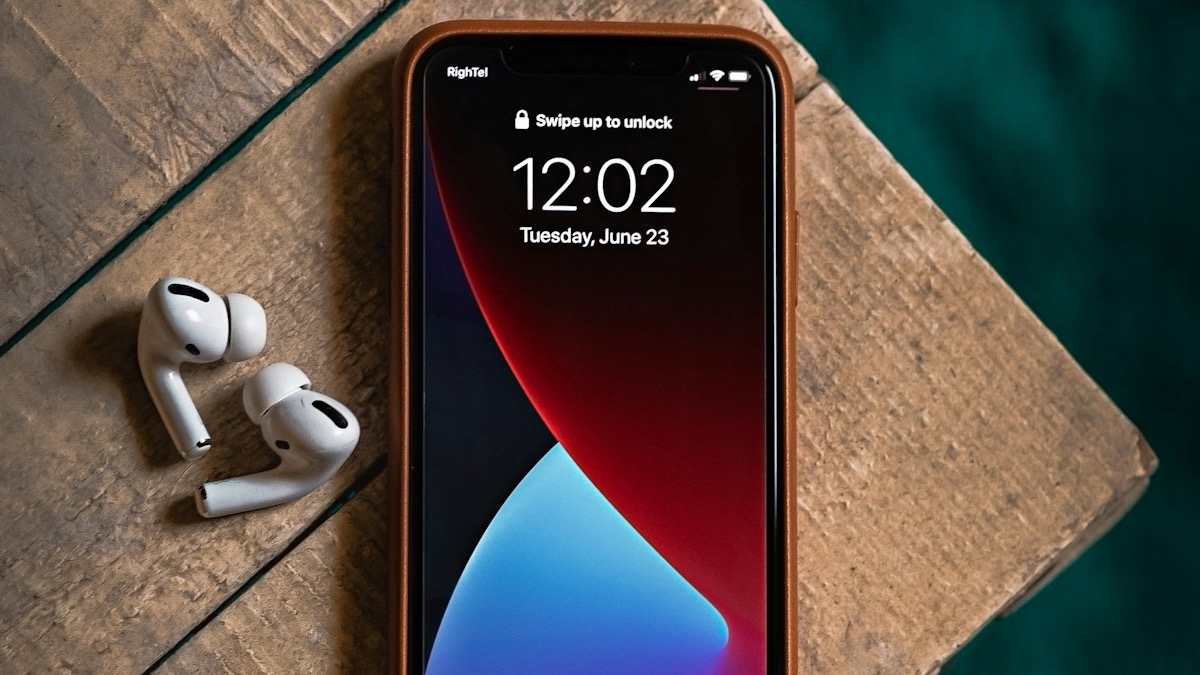
Super Amoled and Amoled Display we all heard these terms on daily basis for all the screens that we use. Lts today find out some of the major Differences in Amoled and Super Amoled Display.
1. Screen Technology
- AMOLED (Active Matrix Organic Light Emitting Diode): This is the general term for the display technology that uses organic compounds to emit light when an electric current is applied. It includes various subtypes, and Super AMOLED is one of them.
- Super AMOLED: This is a specific type of AMOLED display developed by Samsung. It integrates touch sensors directly into the display, eliminating the need for a separate touch-sensitive layer. This makes Super AMOLED displays thinner and more responsive compared to traditional AMOLED displays.
2. Touch Sensing
- AMOLED: Traditional AMOLED displays have a separate layer for touch sensing, which adds to the thickness of the screen.
- Super AMOLED: In Super AMOLED, the touch sensors are integrated directly into the display, eliminating the need for a separate touch layer. This integration contributes to a thinner and more responsive screen.
3. Visibility in Sunlight
- Super AMOLED: Samsung has claimed that Super AMOLED displays perform better in direct sunlight compared to standard AMOLED displays. The integration of touch sensors directly into the display can reduce reflection and improve visibility outdoors.
4. Power Efficiency
- Super AMOLED: The integration of touch sensors directly into the display can lead to improved power efficiency compared to traditional AMOLED displays.
5. Color Accuracy and Vibrancy
- AMOLED: Both AMOLED and Super AMOLED displays are known for vibrant colors and high contrast ratios. However, the specific color tuning and display characteristics can vary between different manufacturers and models.
- Super AMOLED: Samsung, being a major proponent of Super AMOLED technology, often focuses on delivering vibrant colors and high contrast in their displays.
6. Manufacturers
- AMOLED: This technology is used by various manufacturers, including Samsung, LG, and others.
- Super AMOLED: This is a Samsung-specific term, and displays labeled as Super AMOLED are typically found in Samsung devices.
Feature
Amoled
Super AMOLED
Screen Technology
General term for OLED displays
Specific type of OLED display developed by Samsung
Touch Sensing
Separate touch layer
Touch sensors integrated directly into the display
Visibility in Sunlight
Performance can vary
Claimed to perform better in direct sunlight by Samsung
Power Efficiency
Performance can vary
Integration of touch sensors may improve efficiency
Color Accuracy and Vibrancy
Generally vibrant and high contrast
Emphasis on vibrant colors and high contrast by Samsung
Manufacturers
Used by various manufacturers
Samsung-specific technology
In summary, Super AMOLED is a refined version of AMOLED technology developed by Samsung, offering advantages such as thinner form factor, integrated touch sensors, potentially better visibility in sunlight, and improved power efficiency. However, it’s important to note that the specific characteristics can vary among different models and manufacturers.