In a major reshuffling at the pinnacle of the mobile industry, Samsung has reclaimed the title of the world’s leading smartphone vendor from Apple, according to preliminary market data from the International Data Corporation (IDC) Worldwide Quarterly Mobile Phone Tracker.
Global smartphone shipments grew 7.8% year-over-year to 289.4 million units in the first quarter of 2024 (1Q24). Marking the third consecutive quarter of positive shipment growth, the numbers signal a decisive recovery across consumer tech following two years of post-pandemic macroeconomic turbulence.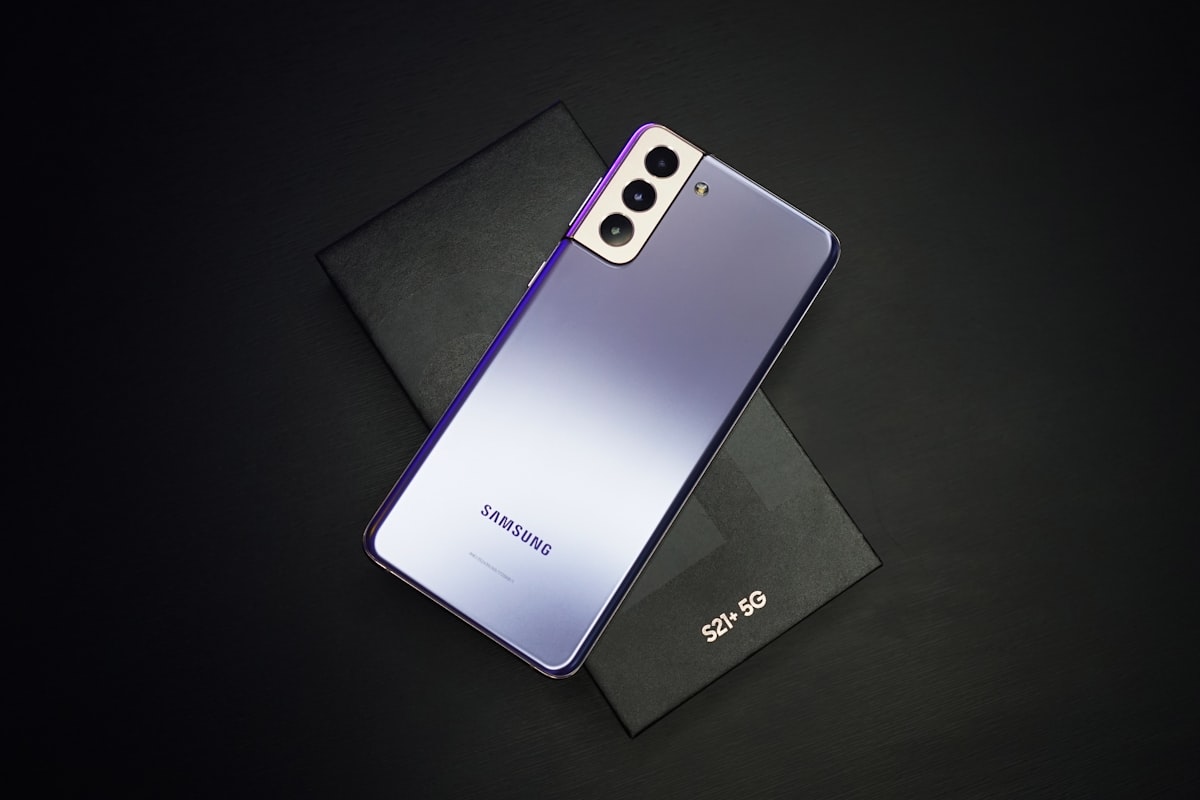
Samsung’s Resurgence vs. Apple’s Contraction
Samsung captured the pole position with 60.1 million shipments, capturing 20.8% of global market share. The South Korean tech giant received a substantial boost from the early launch and enthusiastic market reception of its flagship Galaxy S24 series, which introduced on-device Galaxy AI capabilities to mainstream consumers.
By contrast, Apple experienced a 9.6% decline year-over-year, shipping 50.1 million iPhones to secure a 17.3% market share. While Apple finished 2023 at the top of the global rankings, heightened competition in Greater China from Huawei and domestic rivals impacted iPhone delivery volumes in the opening quarter.

Top 5 Worldwide Smartphone Vendor Share (Q1 2024)
The competitive landscape saw dramatic shifts beyond the top two leaders, with Chinese manufacturers making substantial inroads into emerging global markets:
| Vendor | 1Q24 Shipments (M) | 1Q24 Market Share | 1Q23 Shipments (M) | 1Q23 Market Share | YoY Growth |
|---|---|---|---|---|---|
| 1. Samsung | 60.1 | 20.8% | 60.5 | 22.5% | -0.7% |
| 2. Apple | 50.1 | 17.3% | 55.4 | 20.7% | -9.6% |
| 3. Xiaomi | 40.8 | 14.1% | 30.5 | 11.4% | +33.8% |
| 4. Transsion | 28.5 | 9.9% | 15.4 | 5.7% | +84.9% |
| 5. OPPO | 25.2 | 8.7% | 27.6 | 10.3% | -8.5% |
| Others | 84.7 | 29.3% | 79.0 | 29.4% | +7.2% |
| Total Market | 289.4 | 100.0% | 268.5 | 100.0% | +7.8% |
Source: IDC Worldwide Quarterly Mobile Phone Tracker, April 15, 2024. Shipments in millions of units.
Key Market Drivers & Strategic Shifts
1. the Meteoric Rise of Transsion and Xiaomi
While Samsung and Apple contested the premium sector, Transsion (parent company of Tecno, Infinix, and itel) recorded astonishing growth of 84.9%, cementing fourth place with 28.5 million shipments through explosive expansion across Africa, Southeast Asia, and Latin America. Xiaomi likewise staged a vigorous 33.8% comeback, consolidating third place with 40.8 million devices.
2. Premiumization and Rising Average Selling Prices
Despite budget volume spikes in emerging economies, the overarching trend across mature markets remains premiumization. Consumers are choosing to retain devices longer and invest more upfront in high-tier flagships, driving growth in industry Average Selling Prices (ASPs).
3. the On-Device AI Frontier
Generative AI features are rapidly becoming the primary differentiator for flagship hardware. Samsung’s proactive marketing around Galaxy AI demonstrated tangible consumer appeal, putting pressure on competitors to deliver compelling edge-computing AI experiences in upcoming product cycles.

Industry Analyst Perspectives
"The smartphone market is emerging from the turbulence of the last two years both stronger and permanently transformed. We are seeing growth in value and average selling prices as consumers knowingly choose more expensive devices, knowing they will hold onto them for longer."
— Nabila Popal, Research Director with IDC's Worldwide Tracker team
"While Apple and Samsung will both maintain their stronghold at the top of the market, the resurgence of Huawei in China, alongside aggressive gains from Xiaomi and Transsion, is driving top OEMs to seek new territories for diversification and growth."
— Ryan Reith, Group Vice President at IDC's Worldwide Mobility Trackers
As 2024 unfolds, the battle for global smartphone supremacy will increasingly center on hardware-accelerated AI, localized ecosystem integration, and sustained momentum across emerging digital economies.